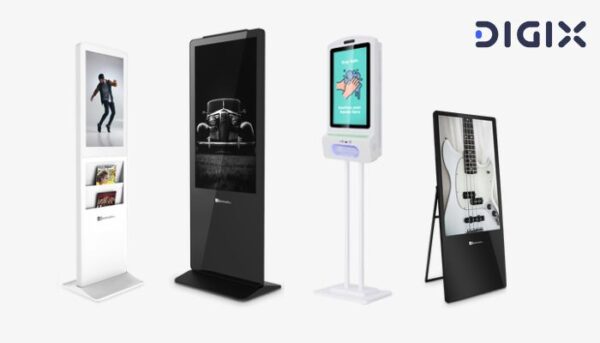
Introduction: The Rise of the Digital Kiosk Screen
Walk into a modern shopping mall, airport, hospital, or corporate building, and one thing instantly grabs your attention: sleek digital screens quietly doing their job. These are digital kiosk screens, and they have become one of the most powerful communication tools of the digital era. They don’t shout, they don’t interrupt, yet they command attention effortlessly. Like a silent guide, a digital kiosk screen stands ready to inform, assist, and engage anyone who walks by.
In a world driven by speed, visuals, and convenience, digital kiosk screens fit perfectly. They replace outdated notice boards, reduce human dependency, and create an experience that feels modern, smart, and efficient. This article dives deep into the world of digital kiosk screens, explaining what they are, how they work, where they are used, and why they are shaping the future of communication.
What Is a Digital Kiosk Screen?
A digital kiosk screen is a standalone digital display designed to provide information, advertising, or interactive services without the need for constant human assistance. Unlike traditional screens, digital kiosks are purpose-built. They are installed in public or commercial spaces and often include touch functionality, high-brightness panels, and dedicated software.
You can think of a digital kiosk as a digital assistant wrapped inside a screen. It answers questions, guides users, displays promotions, and sometimes even completes transactions. Whether it’s helping a customer find a store in a mall or allowing a visitor to check in at an office, the kiosk does it smoothly and consistently.
Why Digital Kiosk Screens Matter in Today’s World
The modern consumer expects instant answers. Nobody likes standing in long queues or searching endlessly for information. Digital kiosk screens solve this problem beautifully. They provide immediate access to information, reduce frustration, and improve overall satisfaction.
From a business perspective, digital kiosks are like employees that never get tired. They work 24/7, deliver accurate information, and present your brand exactly the way you want it. In a competitive environment, that consistency makes a huge difference.
The Evolution of Digital Kiosk Screens
Digital kiosks didn’t appear overnight. Their journey started with simple electronic displays that showed static information. Over time, these displays evolved, becoming smarter, more interactive, and more visually appealing.
The introduction of touchscreens changed everything. Suddenly, users were no longer passive viewers. They could interact, explore, and control their experience. Today, with the integration of artificial intelligence, cloud systems, and data analytics, digital kiosk screens have become intelligent platforms capable of personalization and automation.
How Digital Kiosk Screens Actually Work
Behind the clean glass surface of a digital kiosk lies a carefully engineered system. The screen itself is usually a commercial-grade display designed to run for long hours without overheating. Inside the kiosk is a media player or embedded computer that processes content and user input.
The software layer is equally important. Content management systems allow operators to control what appears on the screen, schedule content, and update information remotely. This means a company can manage hundreds of kiosks across different locations from a single control panel.
Different Types of Digital Kiosk Screens
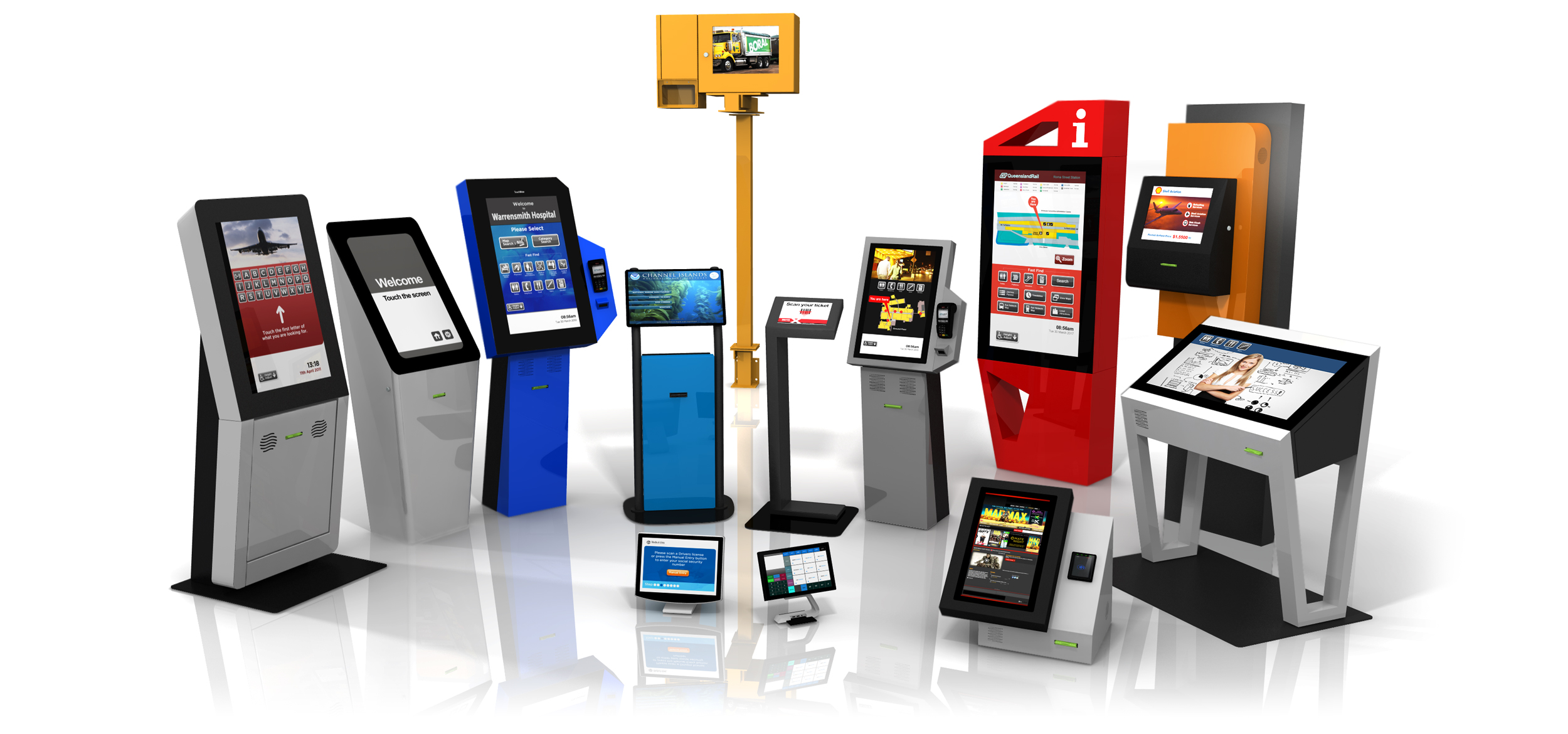
Digital kiosk screens come in various forms, each designed for a specific environment and purpose. Indoor digital kiosks are commonly used in shopping malls, offices, hospitals, and educational institutions. These kiosks focus on design, user comfort, and clarity.
Outdoor digital kiosks are built to survive harsh conditions. They are brighter, stronger, and protected against dust, rain, and extreme temperatures. These kiosks are often used for advertising, public information, and wayfinding in busy urban areas.
Some kiosks are fully interactive, allowing users to touch, type, or scan. Others are non-interactive and focus purely on displaying visual content. The choice depends on the goal and audience.
Key Features That Make Digital Kiosk Screens Powerful
One of the strongest features of digital kiosk screens is interactivity. Touchscreens make interaction intuitive, even for first-time users. The experience feels familiar, much like using a smartphone or tablet.
Visual quality is another major factor. High-resolution displays ensure that images, videos, and text appear sharp and professional. This directly impacts how people perceive a brand or organization.
Remote content management adds unmatched flexibility. Promotions, announcements, or updates can be changed instantly without physical intervention. This saves time, reduces cost, and improves efficiency.
Benefits of Digital Kiosk Screens for Businesses
Digital kiosk screens transform how businesses communicate with customers. They improve engagement by offering interactive and visually appealing content. When customers interact with a kiosk, they spend more time with your brand, which increases awareness and trust.
From a financial point of view, digital kiosks are a smart investment. While the initial setup may require budget planning, the long-term savings are significant. There are no printing costs, no frequent replacements, and minimal manual effort.
Digital kiosks also help businesses collect valuable data. User interactions can provide insights into customer behavior, preferences, and peak usage times. This data can be used to improve services and marketing strategies.
Digital Kiosk Screens in Retail Environments
Retail is one of the biggest beneficiaries of digital kiosk technology. In shopping malls, kiosks act as digital directories, guiding visitors effortlessly. In stores, they showcase products, promotions, and brand stories in an engaging way.
Retail kiosks also support self-service, allowing customers to browse catalogs, check prices, or place orders. This not only improves customer experience but also reduces pressure on staff.
Use of Digital Kiosk Screens in Restaurants
The food industry has embraced digital kiosks rapidly. Self-ordering kiosks allow customers to place orders without waiting in line. This speeds up service, reduces errors, and increases order value through smart upselling.
For restaurant owners, kiosks mean smoother operations and better customer flow. For customers, it means control, comfort, and convenience.
Digital Kiosk Screens in Corporate and Banking Sectors
In corporate offices, digital kiosks simplify visitor management. Guests can check in, receive directions, and get information without human assistance. This creates a professional first impression and improves security.
Banks use digital kiosks to manage queues, provide service information, and guide customers. This reduces waiting time and improves service efficiency.
Role of Digital Kiosk Screens in Healthcare
Hospitals and clinics are complex environments where clear communication is essential. Digital kiosk screens help patients with registration, appointment check-ins, and navigation. They reduce confusion and free up staff to focus on patient care.
Health awareness campaigns and emergency messages can also be displayed effectively through kiosks.
Digital Kiosk Screens in Transportation Hubs
Airports, railway stations, and bus terminals rely heavily on digital kiosks. Flight schedules, boarding gates, ticketing information, and directions are updated in real time. Travelers depend on these screens for accurate and timely information.
In such fast-moving environments, digital kiosks are not optional; they are essential.
Digital Kiosk Screens and Smart Cities
As cities become smarter, digital kiosks are playing a central role. They provide citizens and tourists with maps, public announcements, and emergency alerts. These kiosks act as communication bridges between city authorities and the public.
Smart city kiosks also support sustainability by reducing paper usage and promoting digital access.
Digital Kiosk Screens as an Advertising Tool
Advertising through digital kiosk screens is highly effective. Unlike static billboards, kiosk content can change dynamically. Ads can be scheduled based on time, location, or audience behavior.
Moving visuals, animations, and videos capture attention far better than printed ads. This increases brand recall and engagement.
Customization and Branding Opportunities
Digital kiosk screens offer endless customization. From screen size and orientation to interface design and content style, everything can be tailored to match brand identity.
A well-designed kiosk doesn’t just display information; it reflects the personality and professionalism of the brand behind it.
Installation and Long-Term Maintenance
Proper installation is key to kiosk performance. Location, viewing angle, and foot traffic must be considered carefully. Once installed, regular software updates and basic maintenance ensure smooth operation.
Commercial-grade digital kiosk screens are designed for long-term use, making them a reliable solution for years.
Challenges Associated with Digital Kiosk Screens
Like any technology, digital kiosks come with challenges. The initial investment can be higher than traditional signage. Technical issues and cybersecurity risks must also be managed carefully.
However, with the right planning, professional support, and secure systems, these challenges are easily overcome.
Future of Digital Kiosk Screens
The future of digital kiosk screens is exciting. Artificial intelligence will make kiosks smarter and more personalized. Contactless interaction will become standard, driven by hygiene and convenience.
Integration with mobile apps, cloud platforms, and data systems will create seamless digital ecosystems. Digital kiosks will no longer be standalone devices; they will be connected experiences.
How to Choose the Right Digital Kiosk Screen
Choosing the right digital kiosk screen depends on your goals. Consider the environment, audience, purpose, and content type. A kiosk for outdoor advertising requires different features than one used for indoor self-service.
When technology aligns with business objectives, digital kiosks deliver maximum value.
Conclusion
Digital kiosk screens are no longer just displays; they are intelligent communication tools shaping the future of customer interaction. They combine technology, design, and convenience into one powerful solution. From businesses and public spaces to smart cities and advertising, digital kiosks are transforming how information is shared and experiences are created. As technology continues to evolve, digital kiosk screens will remain at the forefront of innovation, quietly guiding, informing, and engaging the world.
Frequently Asked Questions (FAQs)
What makes a digital kiosk screen different from a normal display?
A digital kiosk screen is purpose-built for public use, offering durability, interactivity, and remote content management.
Can digital kiosk screens work without the internet?
Yes, they can display offline content, but internet connectivity is required for remote updates and real-time data.
Are digital kiosk screens suitable for all businesses?
Yes, they can be customized for retail, healthcare, education, transportation, and corporate environments.
How long does a digital kiosk screen last?
Commercial-grade kiosks are designed to operate for many years with proper maintenance.
Is digital kiosk advertising effective?
Yes, dynamic content and interactive visuals significantly improve engagement and brand recall.